


A couple of weeks ago Downbeat published their August issue and with it their 74th annual critics poll of the best in jazz. The list is a lengthy undertaking in so far as it contains 62 categories, which invite critics to vote for a mix of established figures and rising stars. The headlines for this 74th edition of the poll saw the guitarist Mary Halvorson named best artist while Patricia Brennan scored a rare repeat as Of the Near and Far claimed record of the year. The vibraphonist and bandleader therefore successfully followed up last year’s victory for Breaking Stretch: apparently only Duke Ellington in the sixties and Joe Henderson in the nineties have previously won best album in consecutive years.
The period under consideration covered the twelve months from April of 2025 until the end of March earlier this year. This was my first time contributing to the poll as a critic, and as far as albums are concerned any of those which made the list are more than worth your while. Some of my favourites include dance! skip! hop! by the Tomeka Reid Quartet and Dream Archives where the keyboardist Craig Taborn leads the cellist Reid and percussionist Ches Smith in a trio. In My Dreams shows the guitarist Bill Frisell in typically fine fettle and The Solastalgia Suite by Kris Davis and the Lutosławski Quartet takes feelings of homesickness and yearning caused by climate change as its theme. The trumpeter Adam O’Farrill is in stonking form on ELEPHANT while Abstraction Is Deliverance is just one of the many recent outpourings by the great tenor saxophonist James Brandon Lewis.
Yet only one of the four jazz-oriented albums I nominated (having stuffed one into the pliable ‘beyond’ category) racked up enough points to make it into the publication. That was Julian Lage’s latest Scenes from Above where the guitarist is resplendent alongside his longtime collaborators Jorge Roeder and Kenny Wollesen while the organist John Medeski adds swells and kaleidoscopic sentiments mostly on the Hammond B-3. Here then I will list a loose selection of my favourite jazz albums from the relevant period which did not feature in the Downbeat poll, a group of seven which still inevitably leaves some notable absences from the hugely prolific Satoko Fujii and established figures like Aruán Ortiz, Christopher Hoffman and Thomas Morgan to relative newcomers like Camila Nebbia and Marcus Gilmore.


Matthew Muñeses & Riza Printup – Pag-ibig Ko, Vol. 1
‘Pag-ibig Ko’ translates from the Tagalog as ‘mi amor’ or ‘my love’. From the languidly sentimental and flamenco-flecked ‘Dahil sa iyo’ which opens the album, on ‘Kundiman ni Rizal’ the harpist supplies her own springy and squeaky bassline to an almost baroque string solo before the burnished horn of Muñeses returns to round out the piece. And on the achingly tender yet more urbane ‘Minamahal Kita’ a shimmying saxophone cadenza livens up the fading moments of the composition, as the duo sound dreamy and at times even a touch forlorn but never too nostalgic, always savouring in the fleshy fullness of the moment.
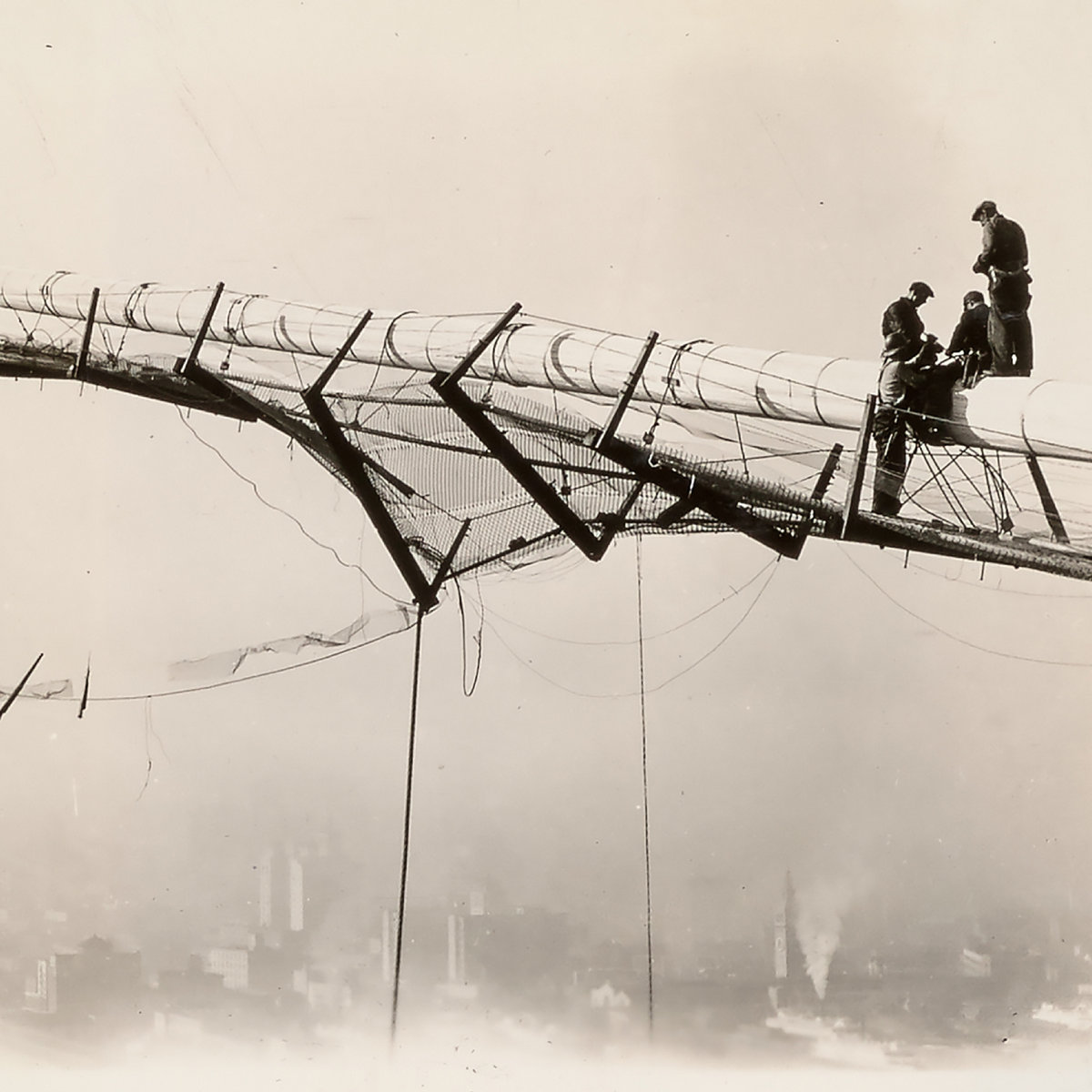
Ingrid Laubrock – Purposing the Air
In pointillist fashion ‘Koan 11’ traces the shape of a ‘splashy curve’ while holding the crest of the wave at bay as Victor’s pregnant scats serve to demarcate the composition. If the track largely captures the dashing and sun-kissed style of the two players with their backgrounds in free improvisation – as Laubrock wrote fully notated pieces or provided her performers with looser word scores while also affording the singer enough room for a little extemporisation – then ‘Koan 38’ is more hermetic and defiantly melancholic as an enveloping drone waxes and wanes between growls and gulps, starts and sighs and the more gnarled or bellows-like grumbling of the cello, before Victor repeats ‘the sun pours through the window / but I won’t let a drop touch me’, a finely suggestive lyric.
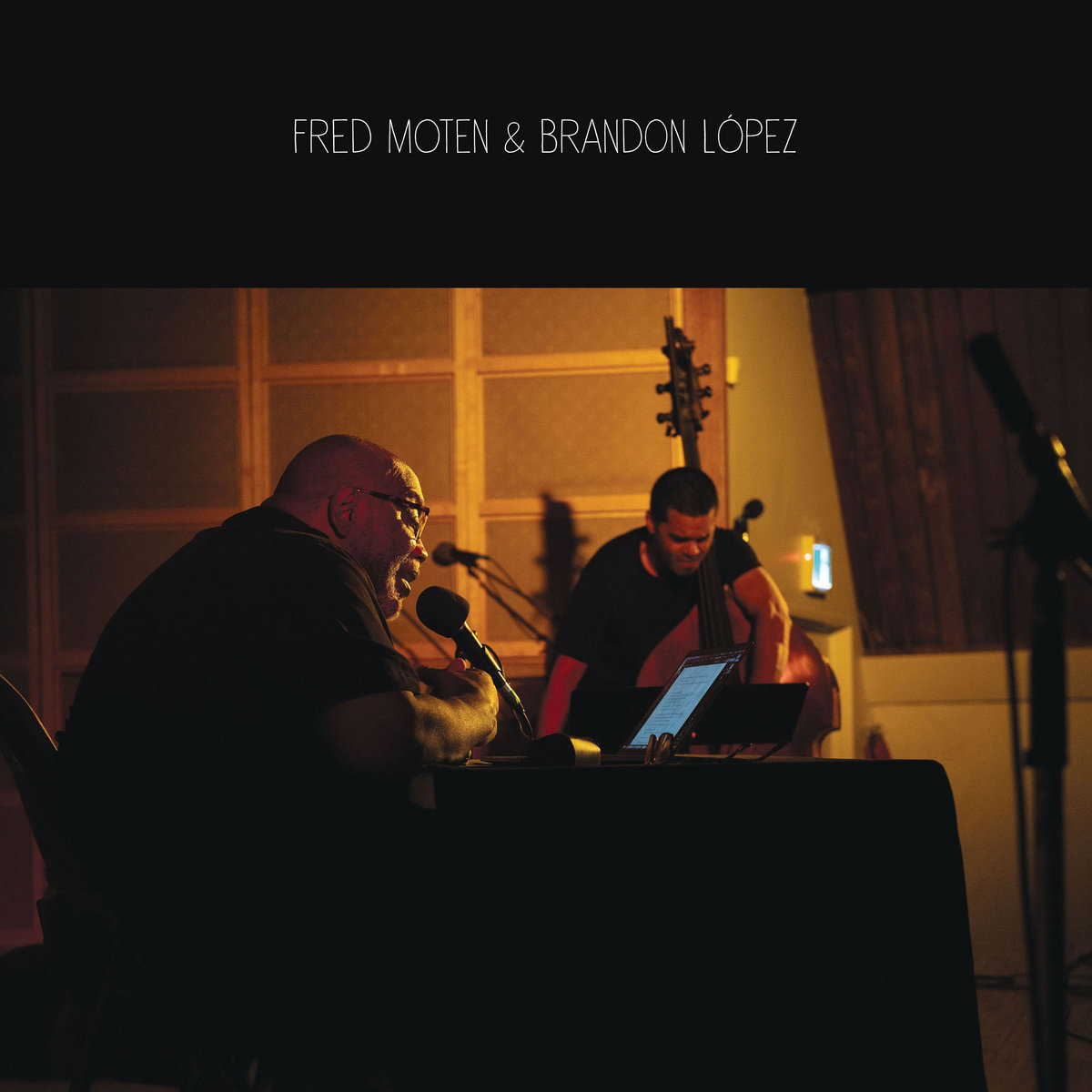
Fred Moten & Brandon López – Revision
‘#10′ briefly interpolates the Screamin’ Jay Hawkins and Nina Simone standard ‘I Put a Spell on You’ over a devious bass tread, as Moten also snatches up phrases from All Incomplete, his 2021 book of essays with his longtime collaborator Stefano Harney whose stated hope, after the writings of Manolo Callahan and Ivan Illich, is to have forged ‘a convivial tool that helps us renew our habits of assembly’. ‘#7’ foregrounds a straining and seasick drone as Moten adopts a more velvety tone, caressing the familial while López on ‘#11’ harnesses a baroque angularity as the vocalist darts and dives across his first published text, the poetry collection Arkansas from back in 2000. That leaves ‘#9’ which closes Revision with a ‘huh’ and a ‘well, well, well’ as Moten and López like a runaway train or kettle coming to the boil almost burst with a rangy energy and bristling portentousness.
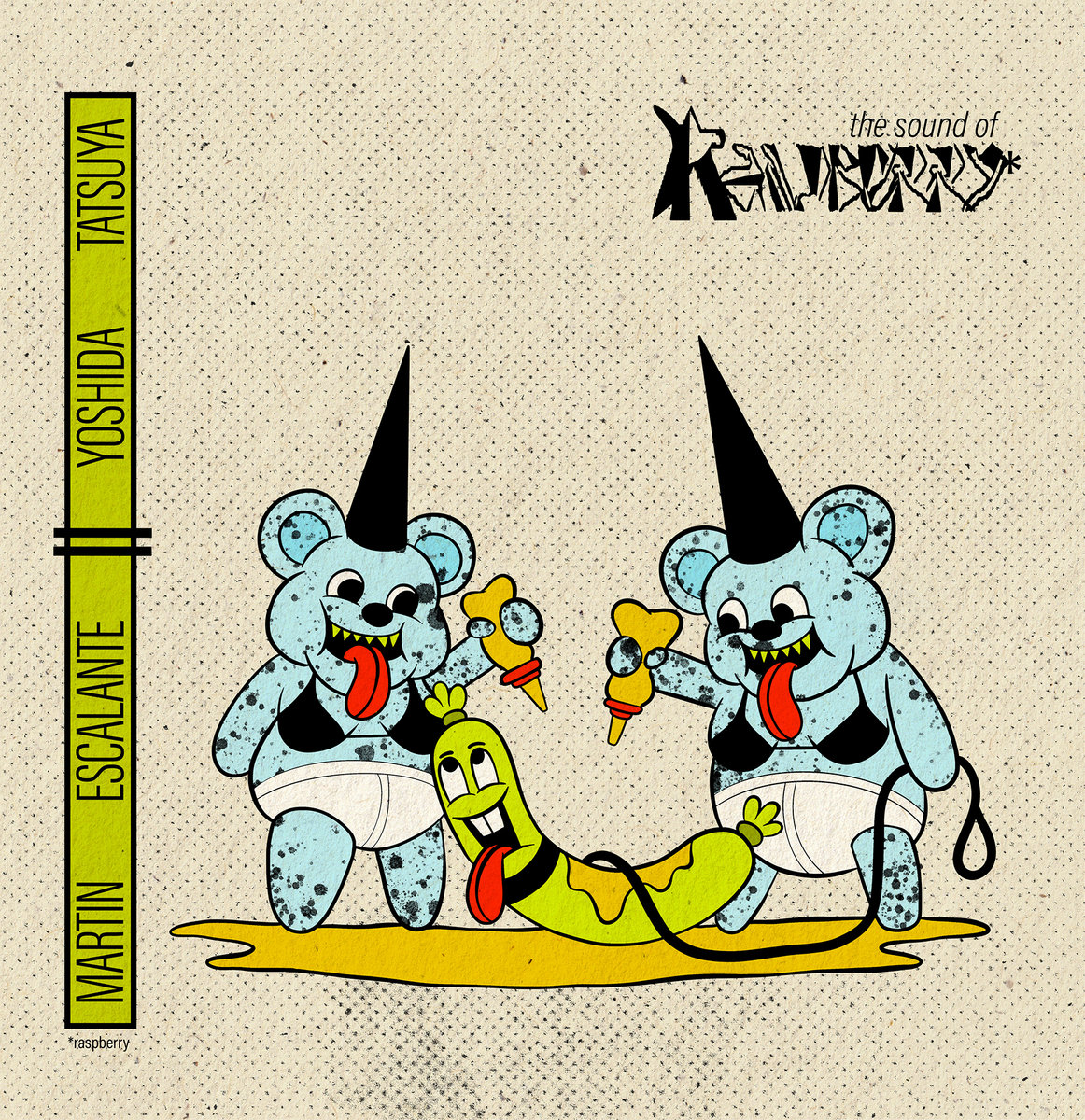
Tatsuya Yoshida & Martín Escalante – The Sound of Raspberry
‘ruggerio y almendra’ offers a more staccato or pulsating variation on the general theme, but the duo never fall into what could aptly be described as a groove. The title piece ‘the sound of raspberrie’ opens with an evocation of conga drums and the uptempo singeli music of Dar es Salaam, which takes the patterns of taarab and ratchets the speed up to more than 200 beats per minute, as evinced by the Sisso and Maiko standout Singeli Ya Maajabu. After a few seconds of that we get our first blown raspberry, which is otherwise known as a Bronx cheer, plus similar tones which resemble a plethora of party horns or a pitch-shifted didgeridoo.
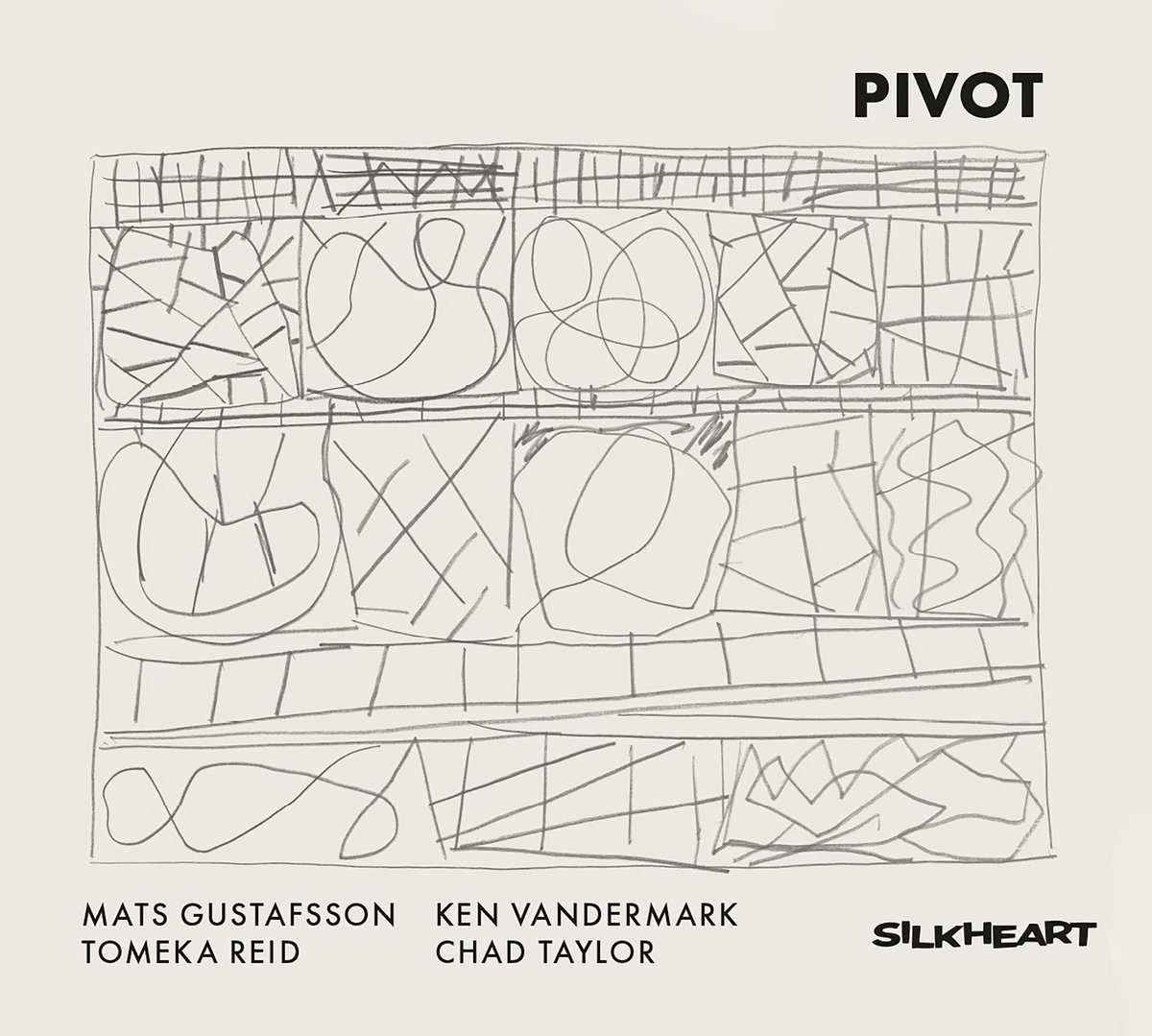
Mats Gustafsson, Ken Vandermark, Tomeka Reid and Chad Taylor – PIVOT
‘Epistemological Glide’ also by Vandermark features sustained tones and a more patient buildup, with drum rolls and slender chimes ringing out like church bells, the other three musicians eventually throbbing in unison as Taylor rides a metallic wave of percussion. That’s not the end of the composition however as we get a curious epilogue in which Vandermark trades in his tenor for a B-flat clarinet, muffled winds and tapped cello together making for a kind of workaday or urban pastoral as though the quartet were hanging out washing from the open window of a tenement. The big bleating close sounds like the buildup or accompaniment to a fight scene in a silent or slapstick movie, in what is a cinematic close to this apparently experiential piece.
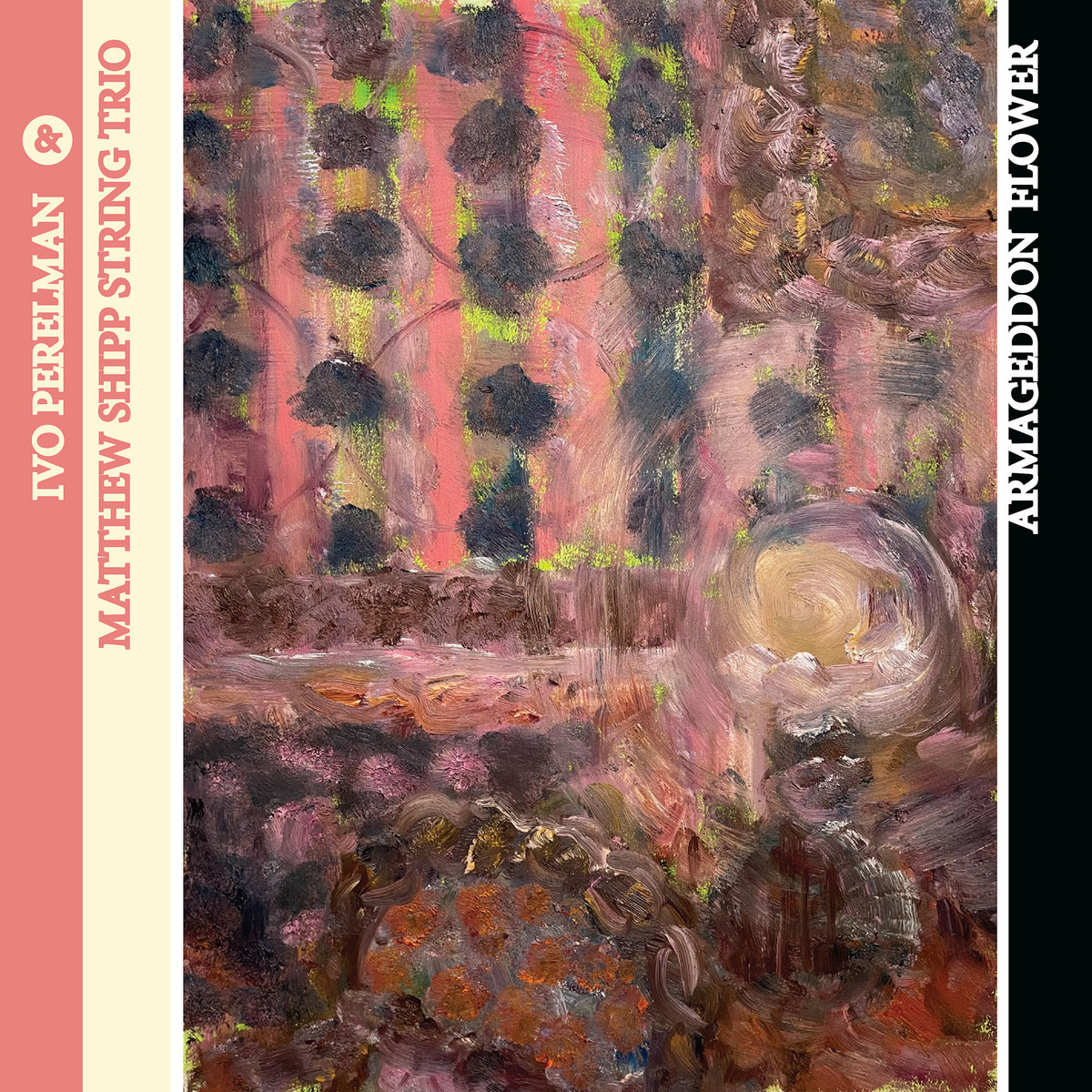
Ivo Perelman & Matthew Shipp String Trio – Armageddon Flower
What we get on Armageddon Flower is something in between, often oblique yet deeply absorbing, beginning with the opening track ‘Pillar of Light’ and its murky, mottled yet thematically rich take on third stream. ‘Tree of Life’ features some deft opening interplay between the saxophone and viola before shifting between baroque sensitivities, emphasised by the plaintive tone of Maneri’s strings, and more dense or menacing contemporary passages as the musicians seem to inhabit a world of tension and strife, falling in with one another harmonically while resolutely or even heedlessly charting their own course. On these opening couple of pieces the altissimo of Perelman screeches and wails or carves out shafts of light, rending holes and illuminating the compositions, while Shipp’s whole tones offer an air of at times wistful ambiguity and his cluster chords add an ominous emotional charge.

Brandon Seabrook – Hellbent Daydream
For this Hellbent Daydream the utterly idiosyncratic guitarist and banjoist melds forces with Erica Dicker on the violin, Henry Fraser on the double bass and Elias Stemeseder on piano and synthesizers, an ensemble which constantly shifts shape without ever quite bleeding together and which tends to cohere in three forms or modes. Seabrook’s dazzling yet dissonant array of guitar effects – including wiry tremolos, revving strums and stacked chord clusters – lead off Dicker’s violin, as often as not played pizzicato; or the ensemble engage in hoedowns whose temperament and atmosphere is led by the banjo; or they segue through more veiled and ambiguous passages whose pensive chromaticism leaves a metallic taste in one’s mouth.