



Pittsburgh by Matthew Stevens is no doubt one of my most listened to solo guitar records. I like its slab of an album cover, a greyscale photograph by Charles ‘Teenie’ Harris of a few motley row houses clad in brick and in timber, their blinds mostly drawn while blooming white roses and a slender wire fence enclose the small backyard. Washing lines dash faintly across the upper third of the picture, above the artist’s name and the album title, for an image that feels both hemmed-in and ready to ripple with life and wet clothes and frolicking play and bustling shouts and cries.
I like the mottled grey vinyl which comprises my version of Pittsburgh, an album and a pressing which was released by Whirlwind Recordings in the fall of 2021. And still most of all I like the music, which always feels exploratory, as though Stevens were finding his way with each note and pluck and strum of his vintage mahogany Martin small-body acoustic.
That sense of exploration or improvisation is true in so far as Stevens began composing the album as a series of short sketches or song ‘starts’. At the time he was hunkered down in his wife’s hometown of Pittsburgh during the first autumn of the coronavirus pandemic, and with his friend, the drummer and producer Eric Doob, he made some provisional versions of the Pittsburgh material for a ‘Lockdown Sessions’ video series on behalf of The Jazz Gallery in New York. Then his bike slid out from under him and he broke his elbow and the burgeoning music became a core part of his rehab.
The result blends that initial spurt of improvisation with more meditative and composed airs plus winning snatches and pleasantly noodling gestations of melody. I like the freeform or textural experiments which serve to frame Pittsburgh just the same as I like those deftly intricate, arpeggiated pieces like ‘Purpose of a Machine’ and ‘Can Am’ or say ‘Buckets’ and ‘Cocoon’ which seem to broach both the style brisé of the baroque period plus some of the wriggling flair which is the nature of flamenco guitar.
Pittsburgh is a brisk and brief but constantly lively record that might skirt or fringe Americana and roots music (on ‘Ending is Beginning’ and amid the stops and starts of ‘Blue Blues’ for instance) while growing ever more fond over the course of the second side. As for myself I am a night owl who is often drawn towards moody nocturnal soundscapes so I like the fact that Pittsburgh feels perfectly at place at other times of the day, tranquil yet invigorating say in the teeming quiet of the mid-morning or amid the steady hum and throb of the early afternoon.
Matthew Stevens has collaborated extensively with Esperanza Spalding and Terri Lyne Carrington while he has also featured within bands led by Dave Douglas and Linda May Han Oh. Capable of straddling both popular and experimental contexts, the Toronto native – whose ‘Can Am’ marks his acquiring of United States citizenship – helms the In Common collective with the saxophonist Walter Smith III which has now released three albums of engaging yet easygoing contemporary ensemble jazz.
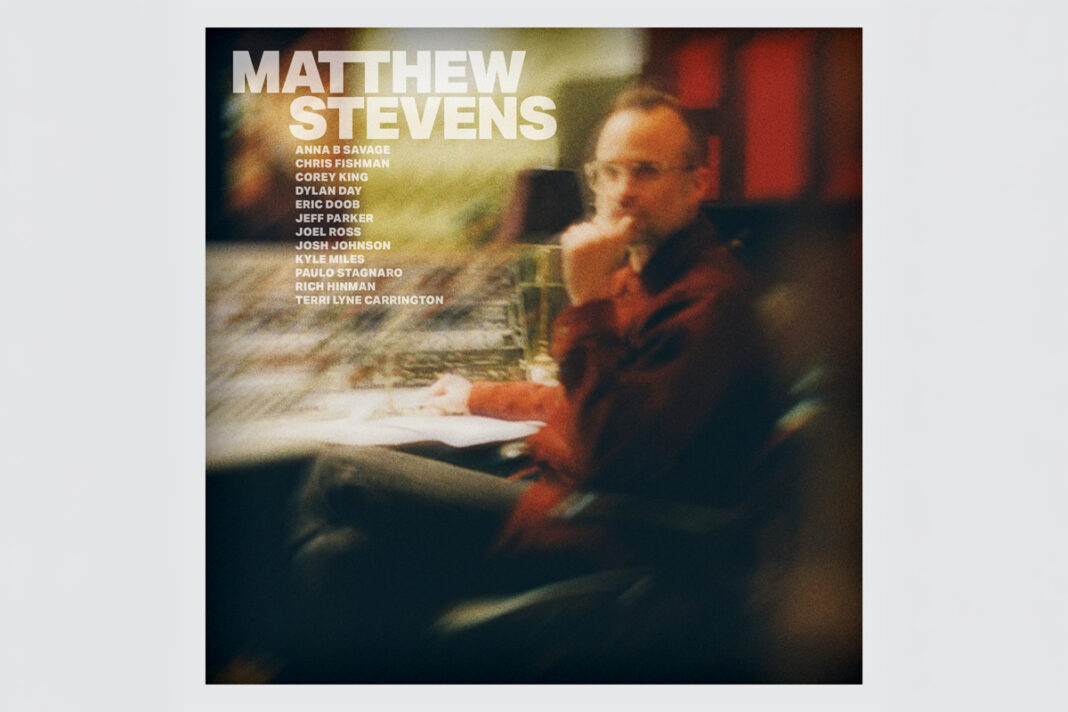
In those settings he is a model partner for his close listening and light proficiency but by the same token that makes Pittsburgh a defining statement in his oeuvre. His new self-titled album finds him linking back up with his mentor Carrington and yet another source of inspiration in his fellow guitarist Jeff Parker as part of a wider multi-generational cast.
Matthew Stevens slips comfortably between acoustic and electronic treatments. Drawing out some of the latent properties in Pittsburgh, its songs stretch from fusion workouts where funky bass overlays chugging rhythms and Afro-Cuban percussions – like on the album opener ‘Take Heart’ which features Joel Ross on vibes – to the country flickers of ‘Edgewood’ and the doleful folk standard ‘Alberta’ with revivalist airs from twining guitars and the finely rendered vocals of Anna B Savage.
The alto saxophonist Josh Johnson spreads his smeared intimacies almost surreptitiously across the album. And perhaps the highlight of Matthew Stevens is a winning interpretation of the Sonny Sharrock classic ‘Who Does She Hope to Be?’ where Stevens and Jeff Parker neither wail like the trailblazing guitarist nor lack for their own trenchant beauty and grace. Matthew Stevens finds the personal in the context of a shapeshifting and easygoing band recording. Still when it comes to individual expression and catching the spur of the moment Pittsburgh his solo acoustic record continues to set a high bar.